
The American landscape is dotted with ghost towns—silent remnants of bygone eras. Once bustling with life, these towns were abandoned due to economic downturns, natural disasters, or technological changes.
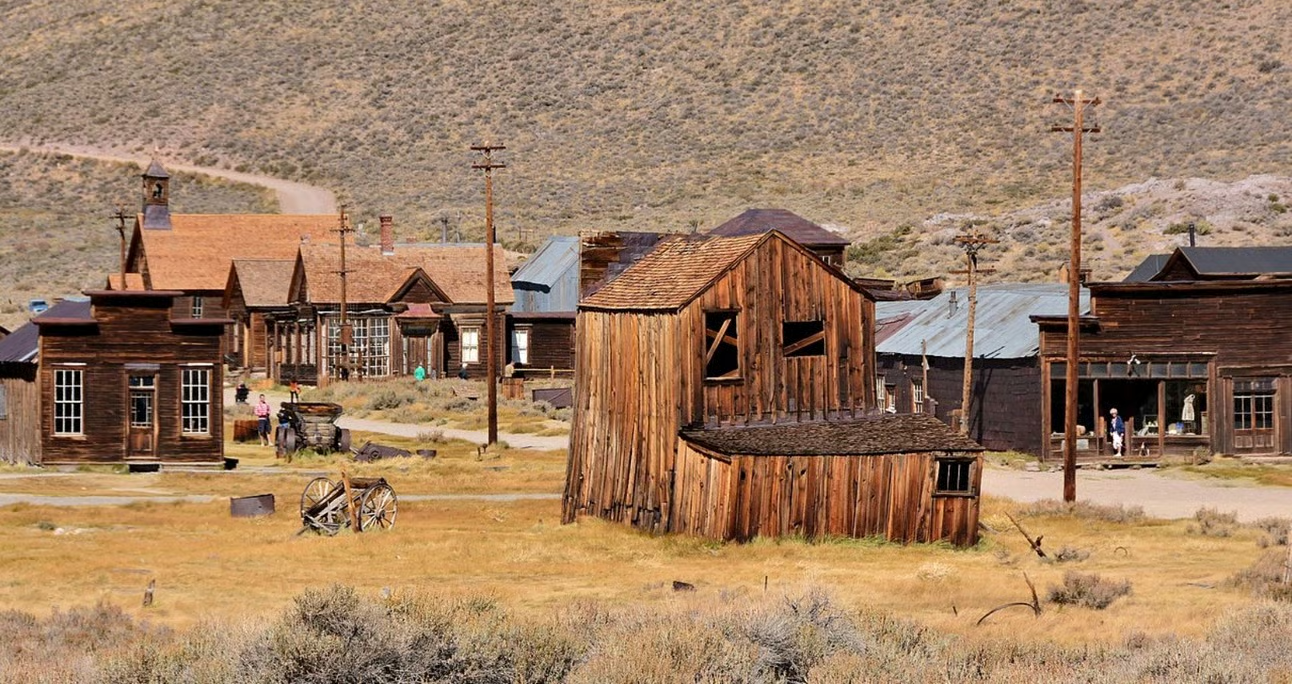
Well-known ghost towns like Bodie, California, have retained many of their structures and become popular tourist attractions. But others have nearly vanished, leaving little trace of what they once were. Thankfully, some of these lost towns have been preserved in historic aerial images, allowing us to glimpse their past.
Images captured before these towns were deserted offer a unique window into their history. They reveal the layout of streets and buildings, giving us a sense of everyday life for the people who once called these places home.
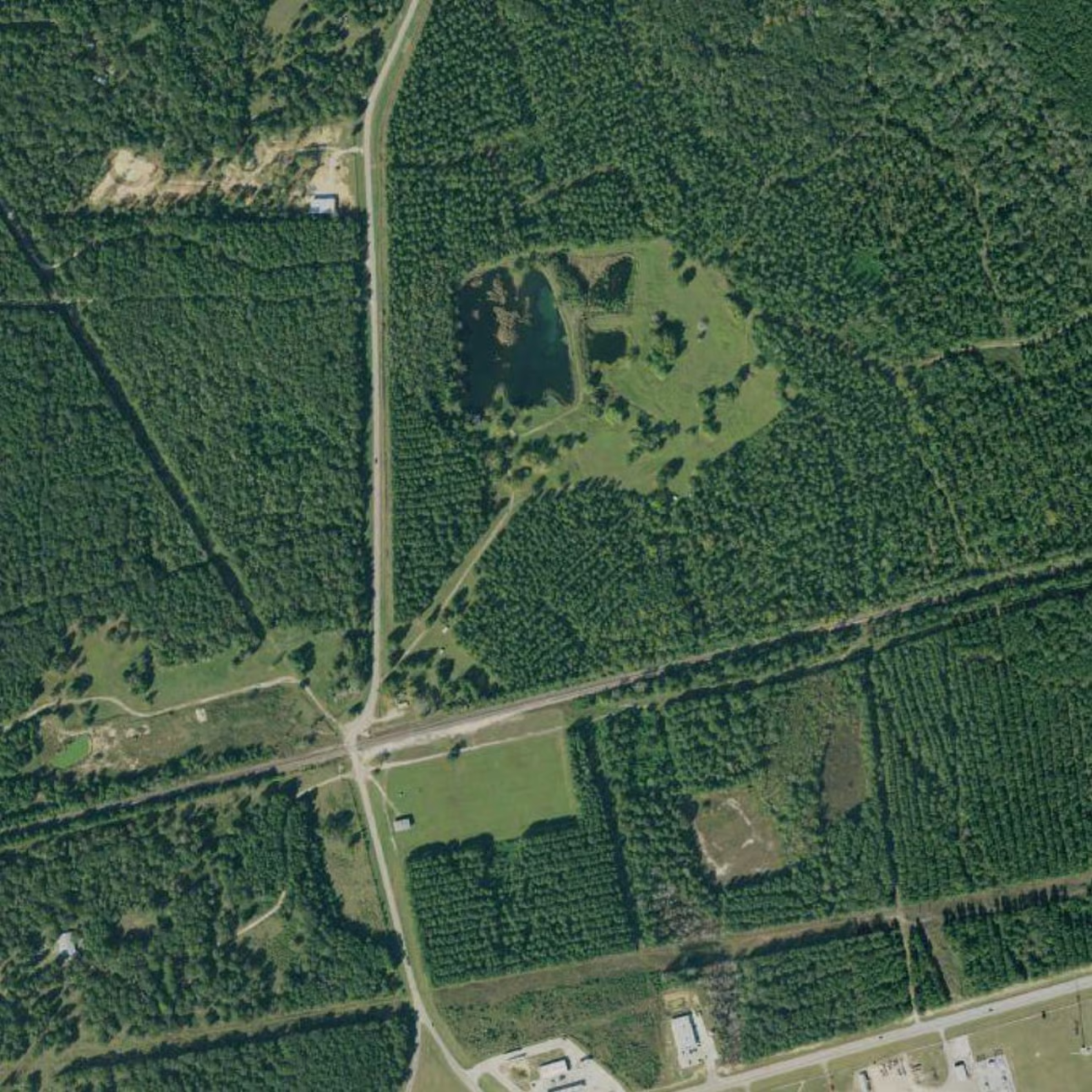
One example is Fostoria, Texas. This sawmill town was named after the Fostoria Lumber Company, which purchased the site in 1901. At its peak, between 1915 and 1925, Fostoria was home to around 1,500 residents, most of whom worked at the mill.
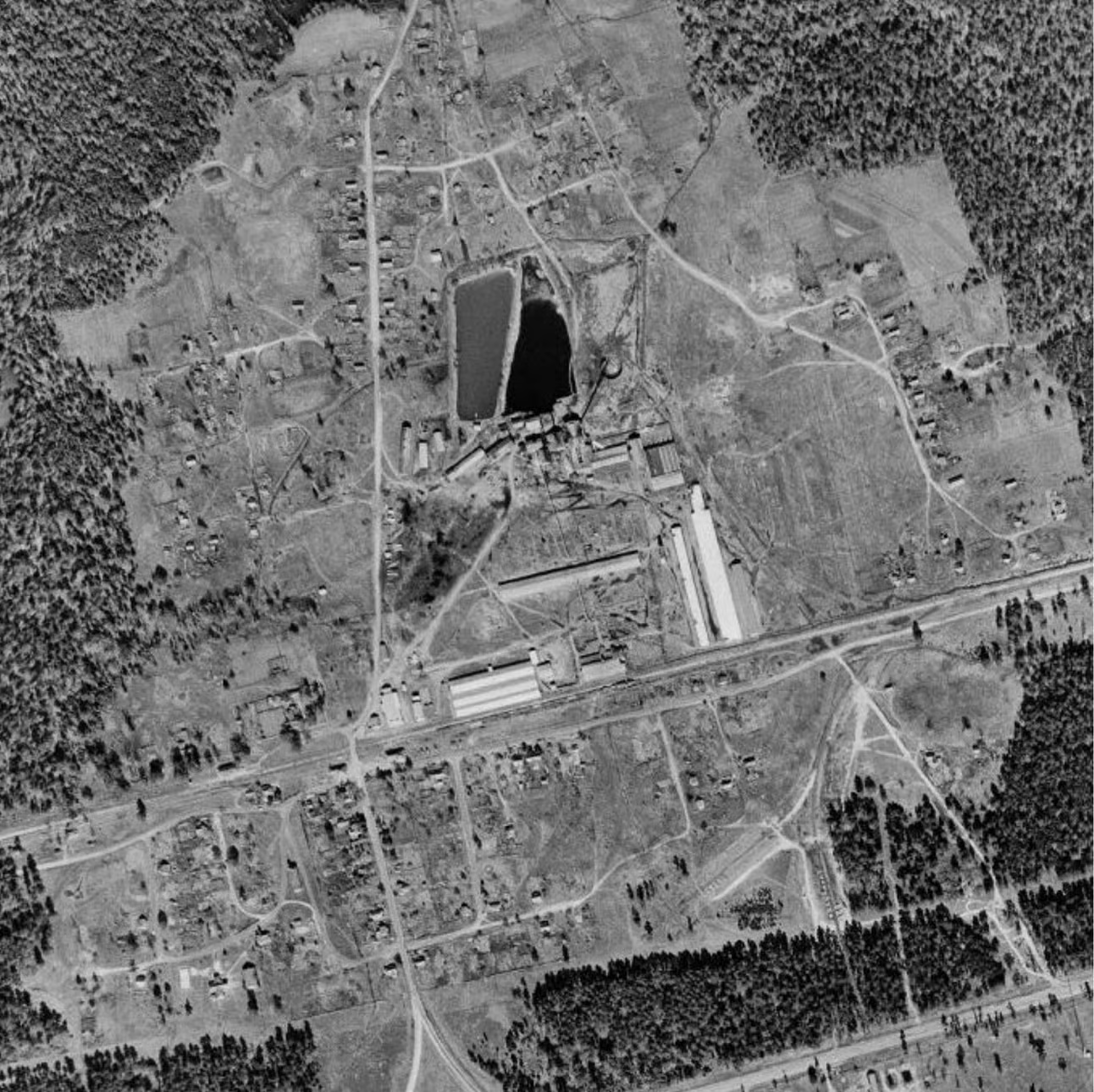
When the company shut down in 1957, the business district faded, and the houses were sold off, mainly to former employees. By the 1980s, the once-thriving town had been largely overtaken by the Southern pine forests that had sustained it, leaving only a few structures standing.
One of the most recent towns in the United States to be “ghosted” is Centralia, Pennsylvania. Founded in the 1860s as a coal mining town, Centralia grew rapidly and peaked at over 2,700 residents by 1890. Coal mining operations continued in the area until the 1960s.
In 1962, a fire ignited in a strip-mine pit and slowly spread into the abandoned mines below. Efforts to extinguish the fire failed, and it continued to burn and expand for the next two decades.
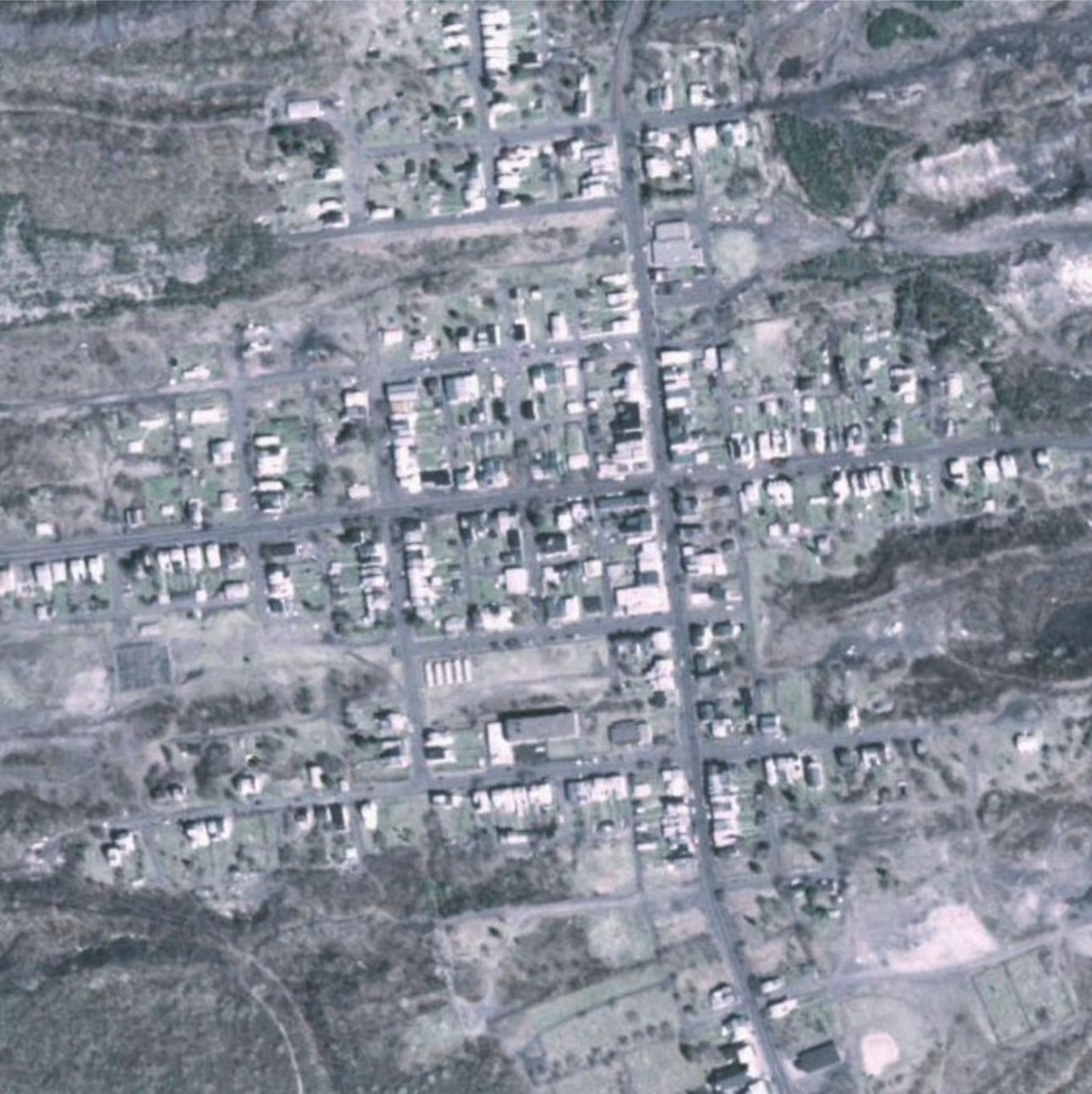
By the early 1980s, the fire had reached beneath the town, causing the ground to become unstable and carbon monoxide to seep into homes. Evacuations began, and in 1992, the Commonwealth of Pennsylvania condemned the town, urging the remaining residents to leave. A few chose to stay and, after legal battles, were permitted to live out their days in Centralia.
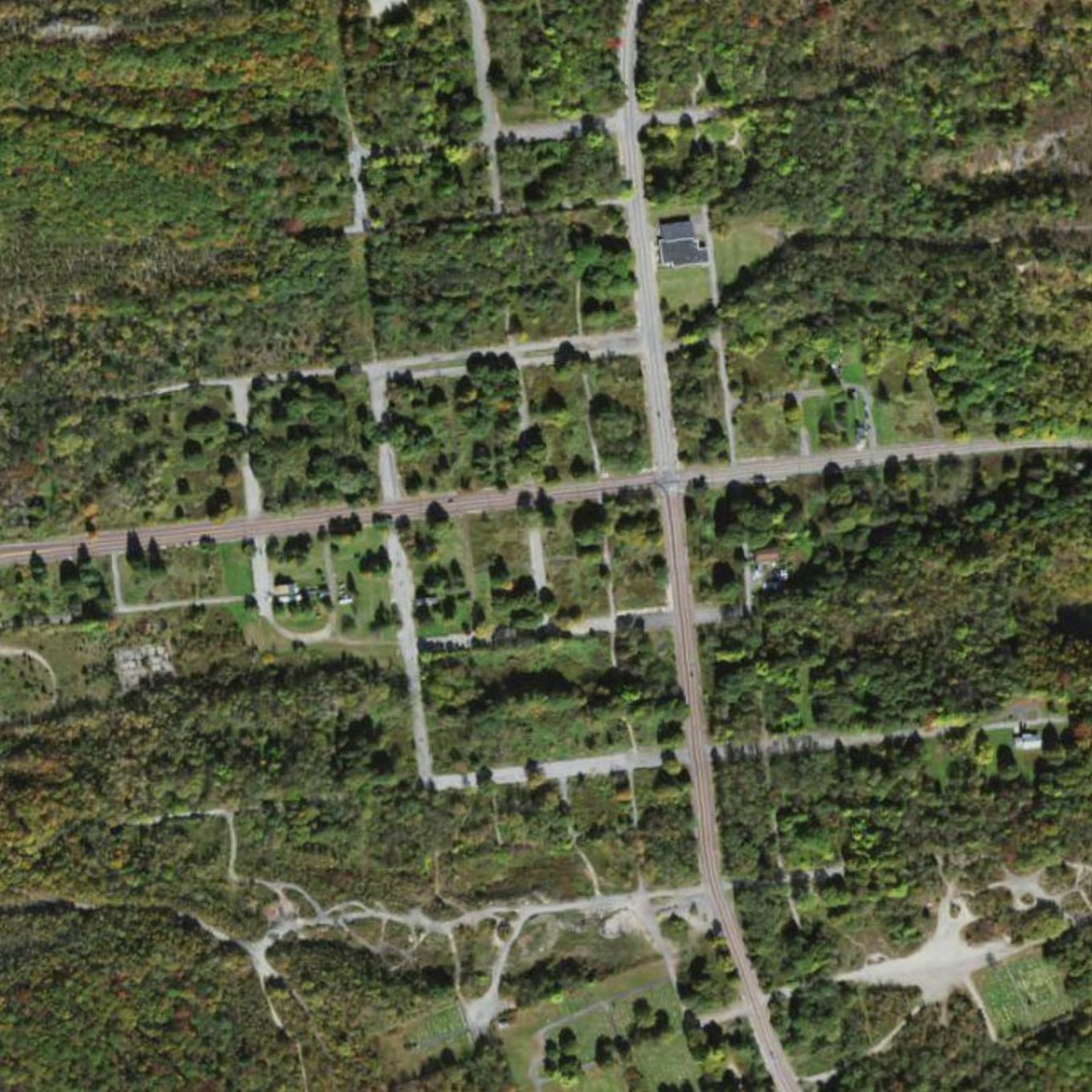
Historic aerial images of ghost towns are more than just records of the past; they are tools for research and exploration, capturing the lives of those who lived in these communities and showing the profound impact of industry on their existence.