
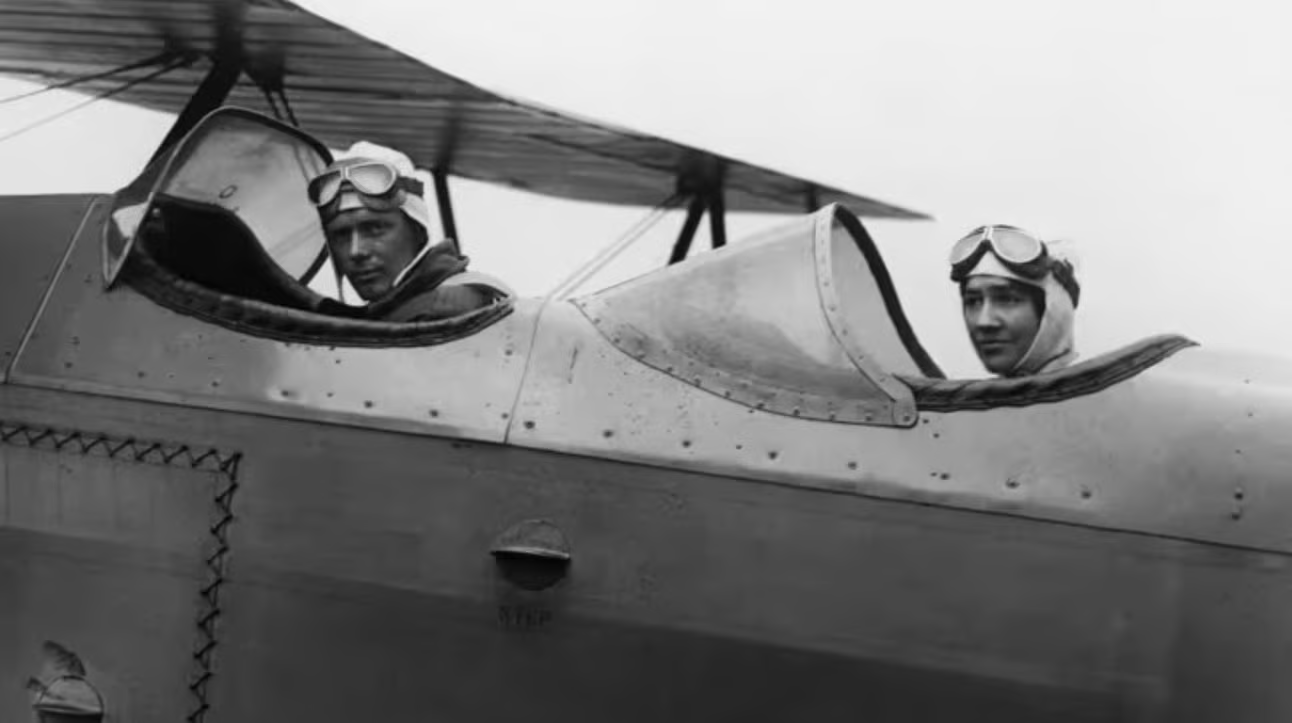
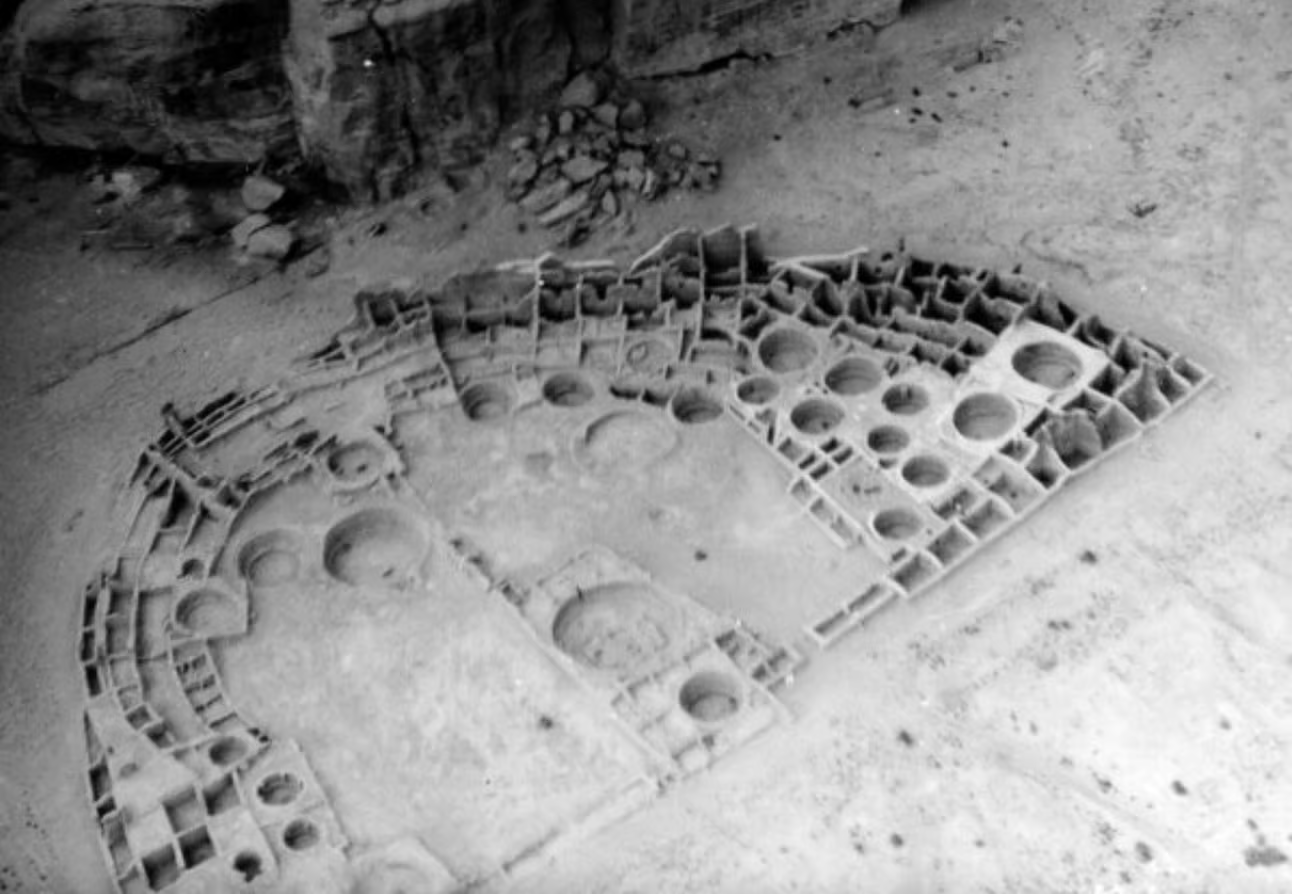
Charles Lindbergh is best remembered for his historic transatlantic flight, but his contributions to archaeology are less known. His fascination with using planes for archaeological discovery began in the summer of 1928 while flying over the American Southwest with his wife, Anne. As they flew over ancient sites, Lindbergh recognized the potential of aerial reconnaissance for spotting ruins hidden in the vast landscape, leading to further exploration of the area.
Fast forward to February 1929, when Lindbergh, accompanied by John H. Hambleton of Pan American Airways, made an unexpected archaeological discovery. While flying over the Yucatan Peninsula on their way to Havana, Lindbergh noticed several large, overgrown pyramidal mounds emerging from the jungle below. Intrigued, he swooped down for a closer look, circling the area several times and carefully noting the location and details of the structures. What he had stumbled upon were ancient Mayan ruins, hidden from view by the thick canopy.
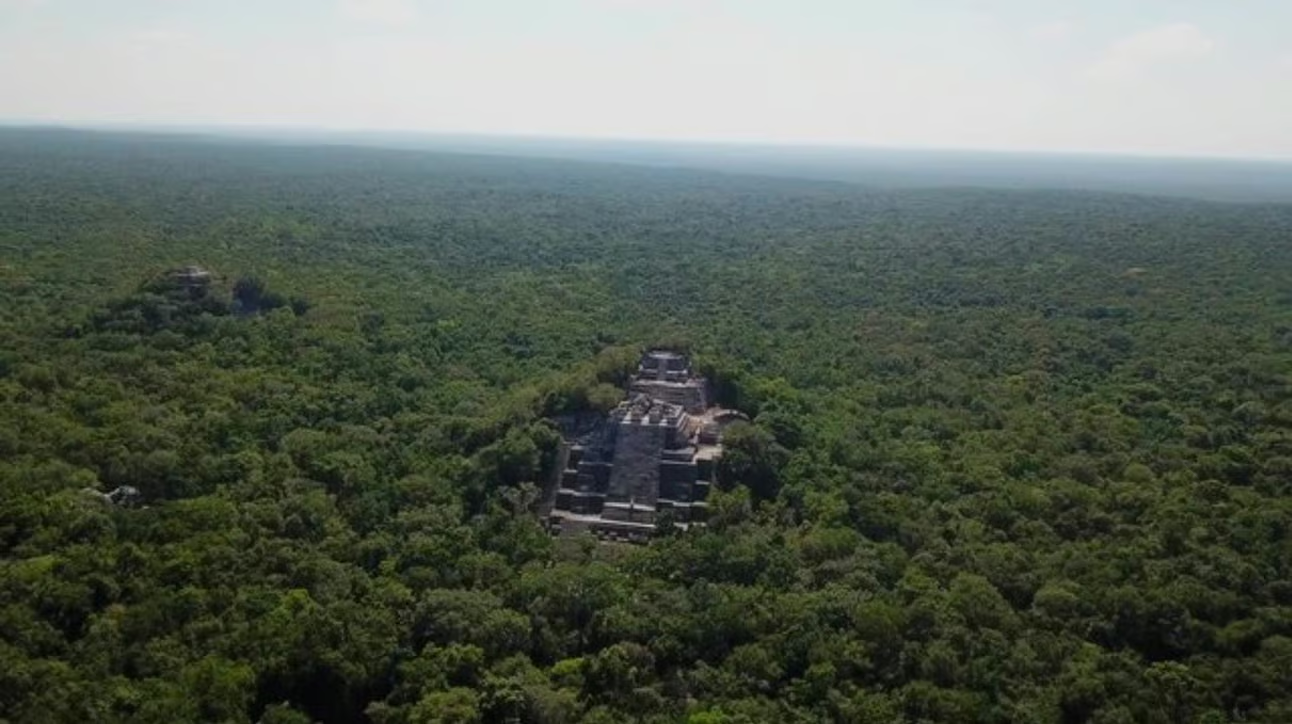
This discovery marked a pivotal moment for aerial archaeology in the Americas. Lindbergh’s ability to spot long-forgotten or unknown ruins from the air opened up new possibilities for archaeologists, allowing them to find and study sites that had been nearly impossible to detect from the ground.