

History records that a man named Nadar took the first aerial photograph from a balloon over Paris. There is only one problem: no one has ever seen it.
In 1858, high above the outskirts of Paris, suspended beneath a silk balloon and swaying gently in the wind, Gaspard‑Félix Tournachon—known to the world as Nadar—prepared to expose a photographic plate from the sky. He aimed to transform the landscape below into an image made not from a tower or hillside, but from the air itself. With that single act, he helped alter the relationship between vision, technology, and the modern world.
Popular accounts often strip this moment down to a simple headline—the first aerial photograph. But the reality involves a volatile new photographic process, decades of balloon fever, and one man’s refusal to accept the sky as it was. The event itself rests largely on Nadar’s own later accounts, and historians have debated not only the fate of the image but even its material existence. Whether or not a usable plate survived, the story he told about the ascent emerged from a specific historical moment shaped by technical innovation, long-standing fascination with flight, and the restless intellect of a man unwilling to remain confined to any single discipline.
The World Before the Aerial View
Before Nadar’s camera rose above the rooftops, the ‘aerial view’ was a fantasy of the mind—a perspective reserved for birds When the Montgolfier brothers launched their first manned flights in 1783, Europe entered what newspapers breathlessly described as balloonomania. Yet, for all the spectacle, these early voyagers could only bring back stories and sketches. They lacked the one thing the modern world was beginning to crave: unfiltered evidence.
Despite this excitement, ballooning remained an exercise in observation rather than documentation. Sketches and written accounts attempted to convey the aerial view, but they relied on memory and interpretation. A lasting visual record required photography.
That possibility emerged in 1851 with the introduction of the wet collodion process, the first photographic method capable of producing stable, highly detailed negatives that suggested new possibilities for careful visual study. Architectural lines, tonal variation, and distant features could now be captured with a degree of precision that earlier processes struggled to achieve.
Nadar Before the Balloon
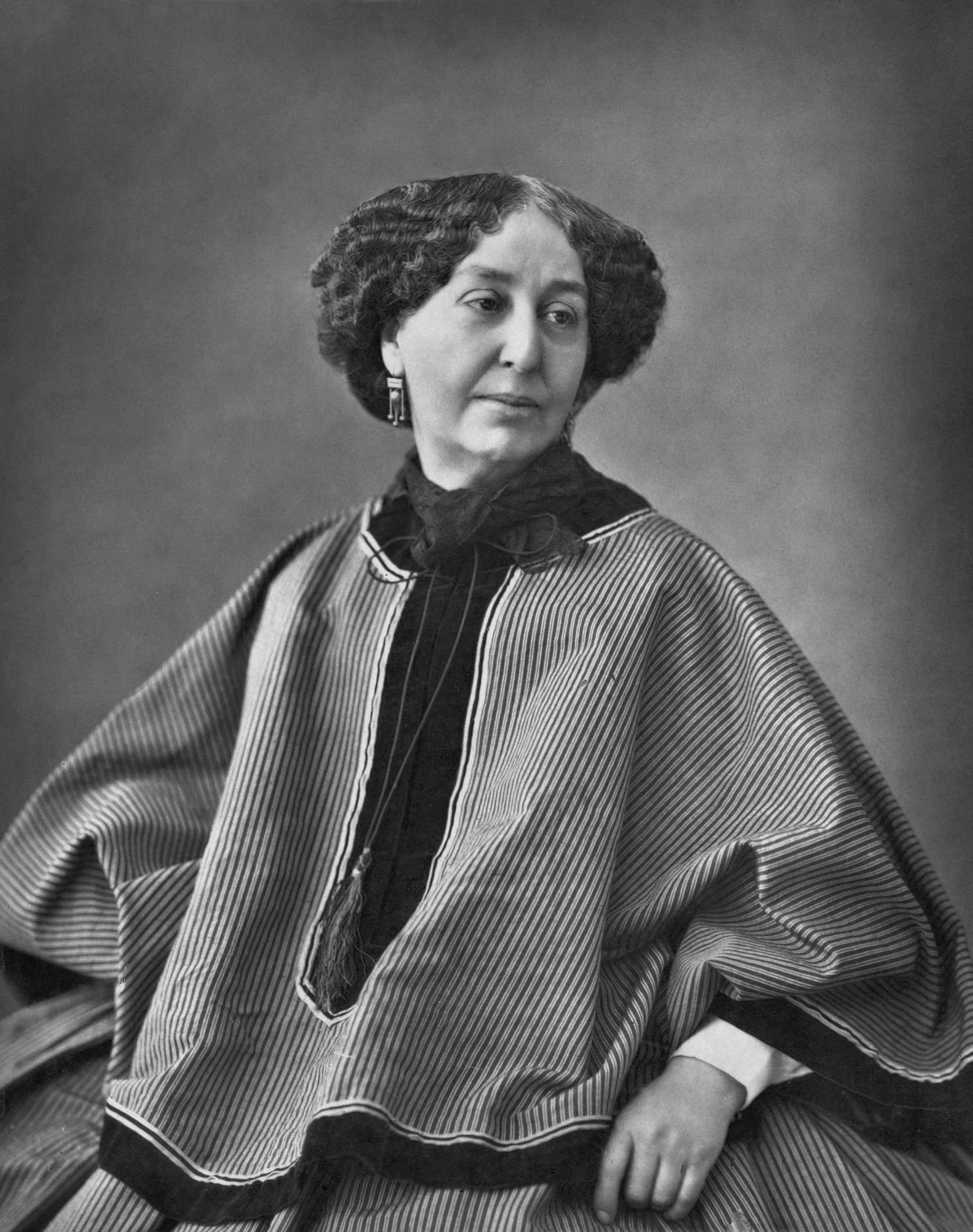
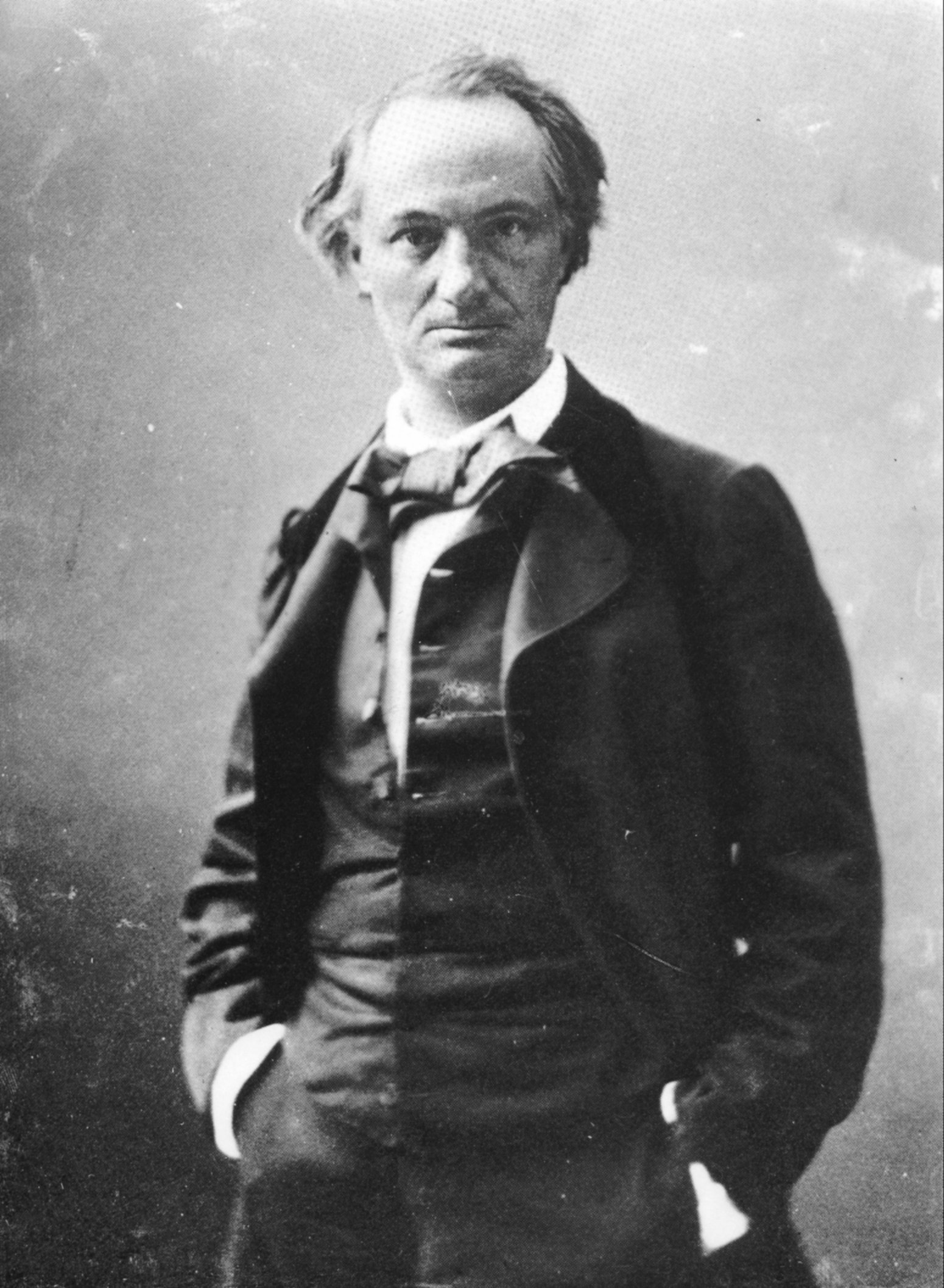
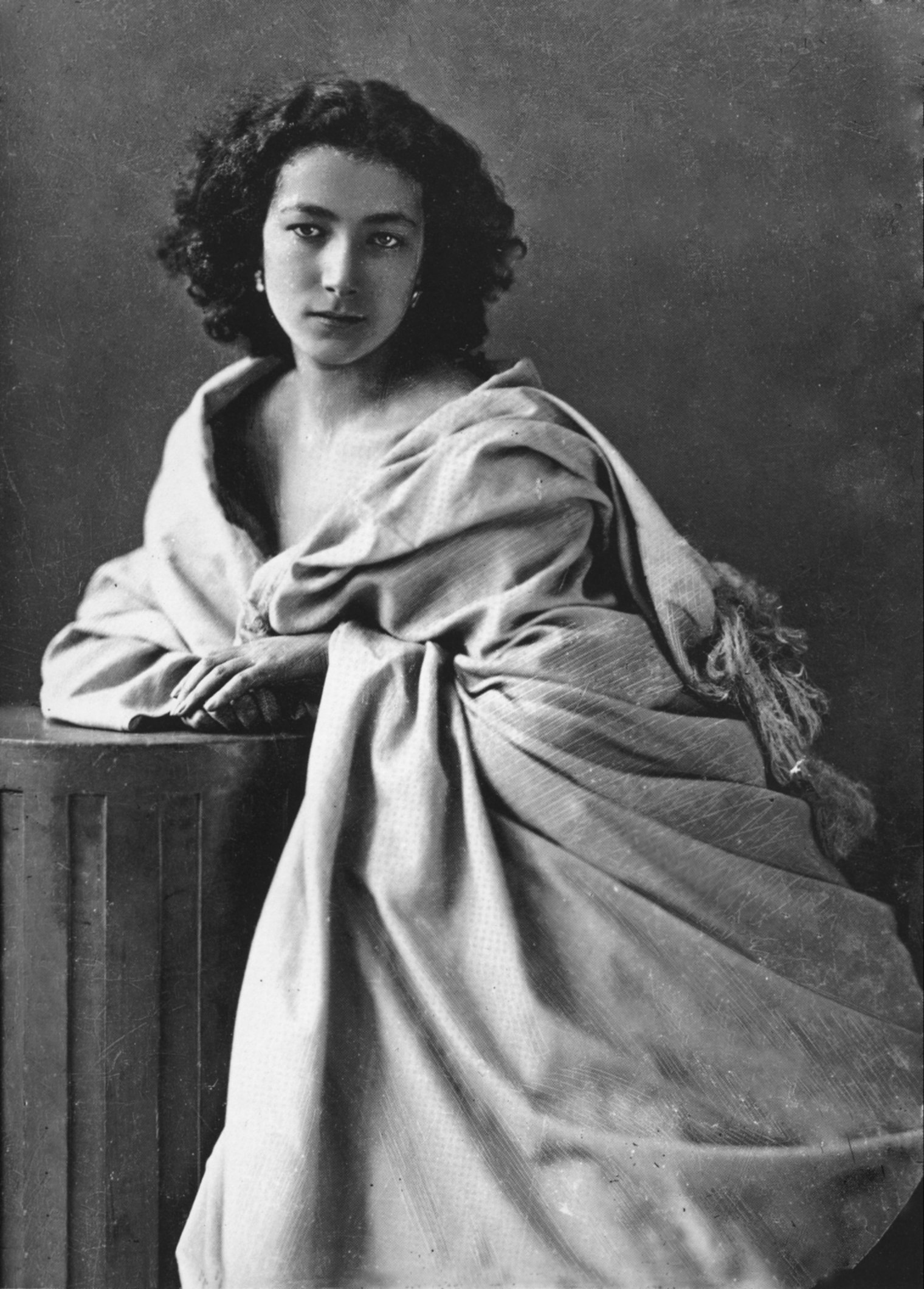
Nadar brought photography and ballooning together from an already prominent position in Parisian cultural life. Born in Paris in 1820, he was a man of “restless intellect”—successively a medical student, a radical journalist, and a celebrated caricaturist—before he ever touched a camera. When he finally opened his studio, it became less of a business and more of a secular cathedral for the era’s elite. Charles Baudelaire, Sarah Bernhardt, and Victor Hugo, and many others sat in front of his lens.
These portraits were a radical departure from the era’s norms. At a time when most studios relied on gaudy painted backdrops and stiff, artificial poses, Nadar stripped everything away. He used controlled natural light and uncluttered settings to focus entirely on the subject. The results were psychological studies rather than mere records—portraits that sought to capture the “inner life” and temperament of the sitter.
A Passion for Flight
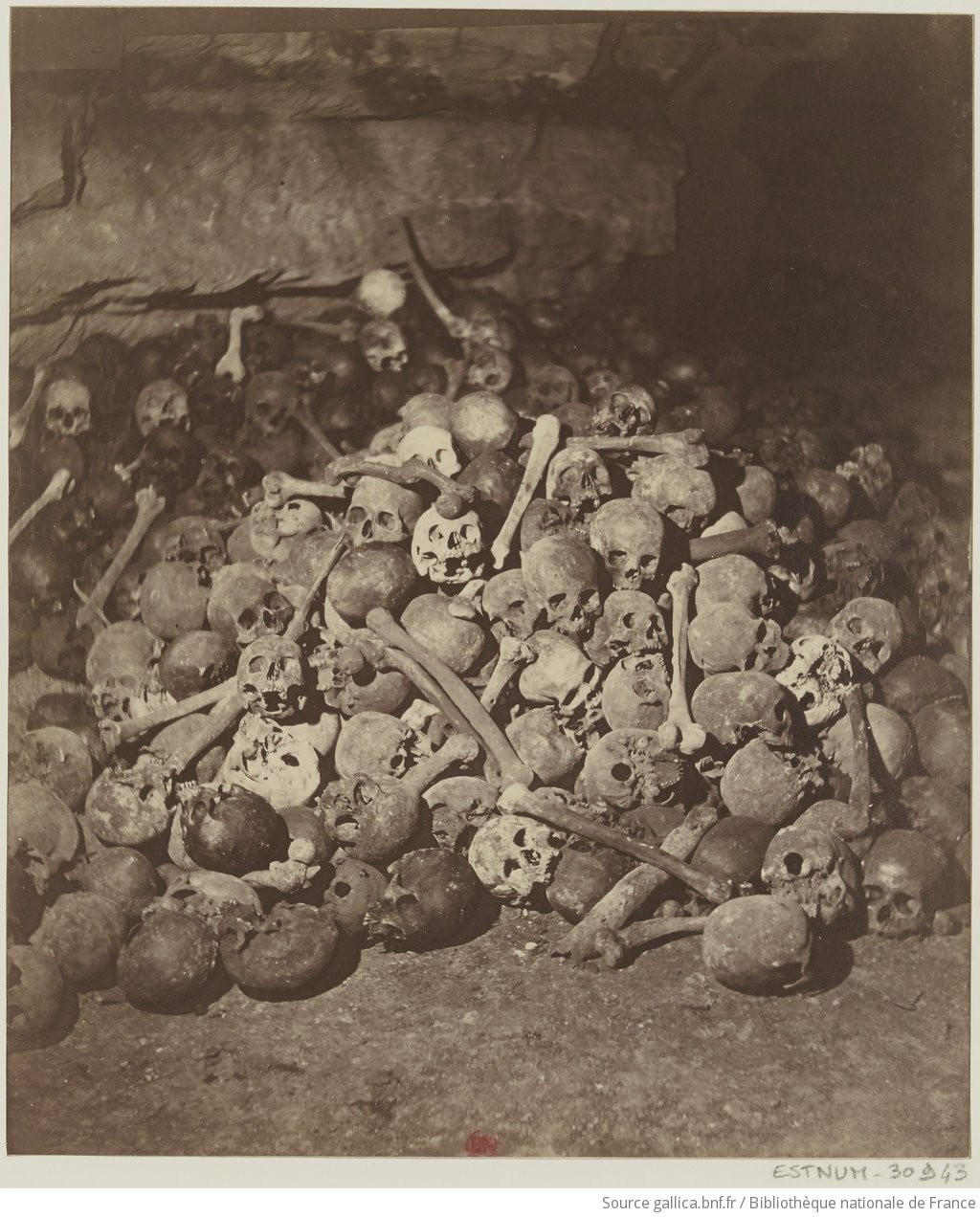
Yet, despite his mastery of the studio, Nadar remained fundamentally unsatisfied with static achievements. He was drawn to technological frontiers, from artificial lighting in the Paris catacombs to the possibilities of flight. Photography was often a means to an end. By the mid-1850s, his attention shifted toward the mechanics of flight. While he used balloons, he famously despised their lack of autonomy, comparing a balloon to a “buoy cast upon invisible currents.”
For Nadar, the ultimate goal wasn’t just to see the world from above, but to navigate it. He became a fierce advocate for heavier-than-air flight—the “screw” and the engine—and his foray into aerial photography was, in many ways, a high-stakes demonstration that the sky was a viable environment for complex human industry.
When Nadar later launched his enormous balloon Le Géant in 1863, the spectacle was deliberate. The ascents were theatrical, widely publicized, and financially ambitious. Yet the balloon itself was not his final objective. He hoped that public enthusiasm and ticket sales would finance research into heavier‑than‑air flight. The balloon, in his mind, was a fundraising engine for a different future.
The Wet Plate Challenge: The Logistics of 19th-Century Aerial Photography
Aerial photography in the 1850s demanded endurance as much as ingenuity, exposing photographers to cold air, shifting altitude, and the constant instability of a balloon that never truly stood still. Even as photography was becoming more practical and refined by mid‑century, working aloft remained extraordinarily difficult.
The wet collodion process came with a constraint that mattered deeply in the air: the glass plate had to be coated, exposed, and developed while still wet, usually within minutes. On the ground, this required a steady hand and a nearby darkroom; in the sky, it required a man to operate a heavy camera and a volatile chemical laboratory inside a swaying wicker cage while suspended hundreds of feet above the earth.
To succeed, Nadar wouldn’t just need to be a photographer; he would have to become an aerial chemist, fighting gravity, wind, and time itself.
The Sky Proved Unforgiving
In 1858, he designed a darkroom basket that could be suspended beneath a balloon, allowing plates to be prepared and developed during flight. This innovation transformed the balloon from a novelty platform into a mobile laboratory.
Even so, his first several attempts were complete failures. Plate after plate emerged blank. The chemistry appeared sound and the exposures appropriate, yet no image formed. Nothing in standard photographic practice suggested an explanation, and Nadar himself could not identify the cause.
The turning point came through circumstance rather than calculation. Having already paid for gas and unwilling to cancel the ascent, Nadar prepared for one final attempt. Overnight, much of the gas had leaked away. To become airborne at all, he discarded as much weight as possible, including the basket. He sealed the balloon’s appendix to prevent further loss and exposed the plate while hanging from the suspension ropes. At the time, the significance of these changes was not yet clear.
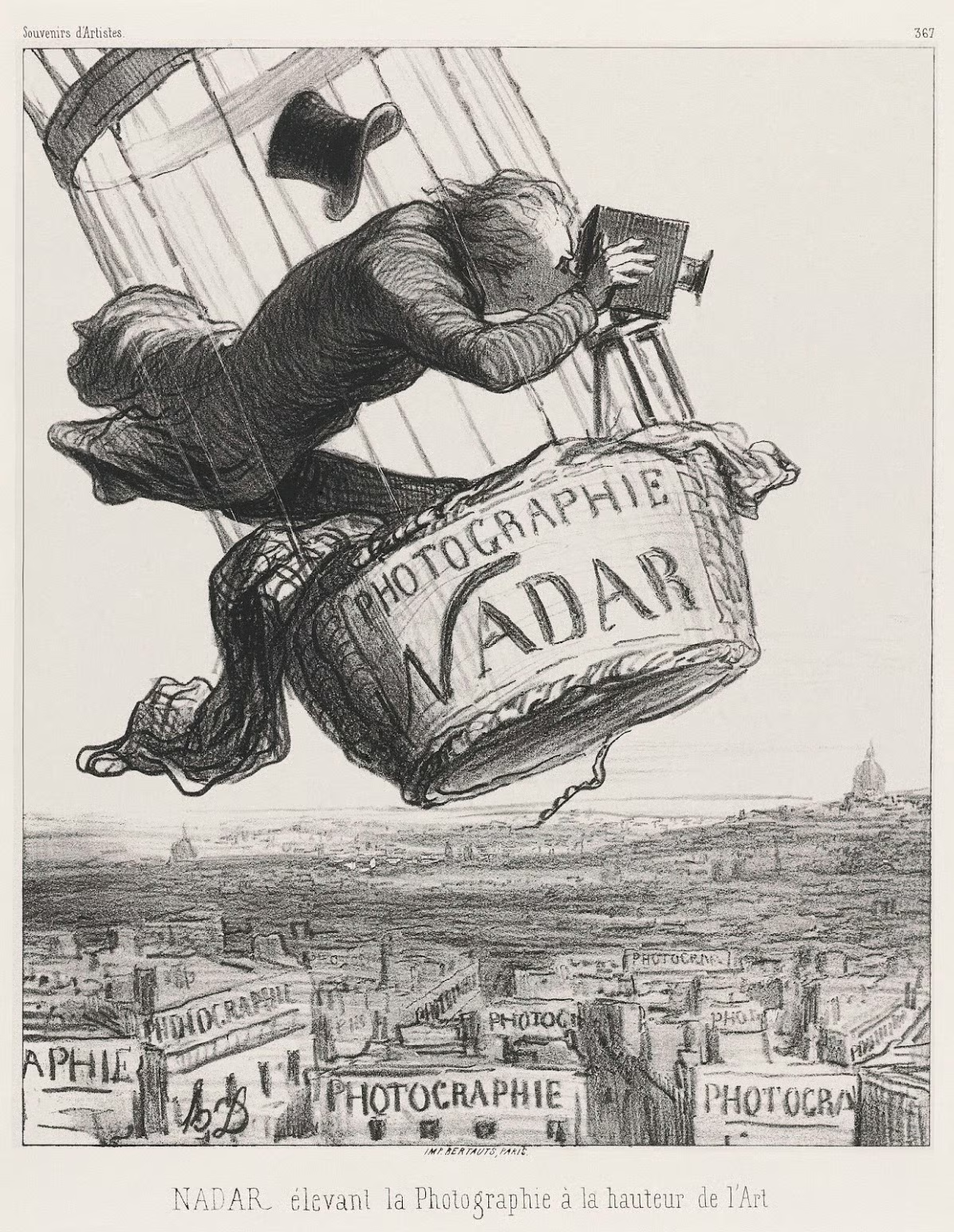
The “First” Aerial Photograph
During the final ascent, the sealed appendix likely prevented further chemical interference. From the balloon, Nadar later claimed to have exposed a wet collodion plate recording the scene below: three modest buildings forming the small village of Petit‑Bicêtre outside Paris. Whether that plate yielded a fully legible image, or whether it survived long enough to be seen by others, remains uncertain.
Only afterward did Nadar conclude that his earlier failures had stemmed not from faulty chemistry or exposure times, but from coal gas escaping from the balloon and contaminating the sensitive collodion plates. His persistence—combined with altered flight conditions—produced what he described as a successful result.
The original plate does not survive, and all detailed accounts trace back to Nadar’s own writings decades later. Some contemporaries questioned whether a usable image had ever been produced. Yet regardless of the material fate of the photograph, the episode marked a turning point in how aerial vision was imagined. He did not present the experiment as a novelty. Instead, he framed it as evidence that the sky could become a site of organized observation.
Later that year, he secured a patent for a “système de photographie aérostatique,” describing its potential applications in surveying, mapping, and reconnaissance.
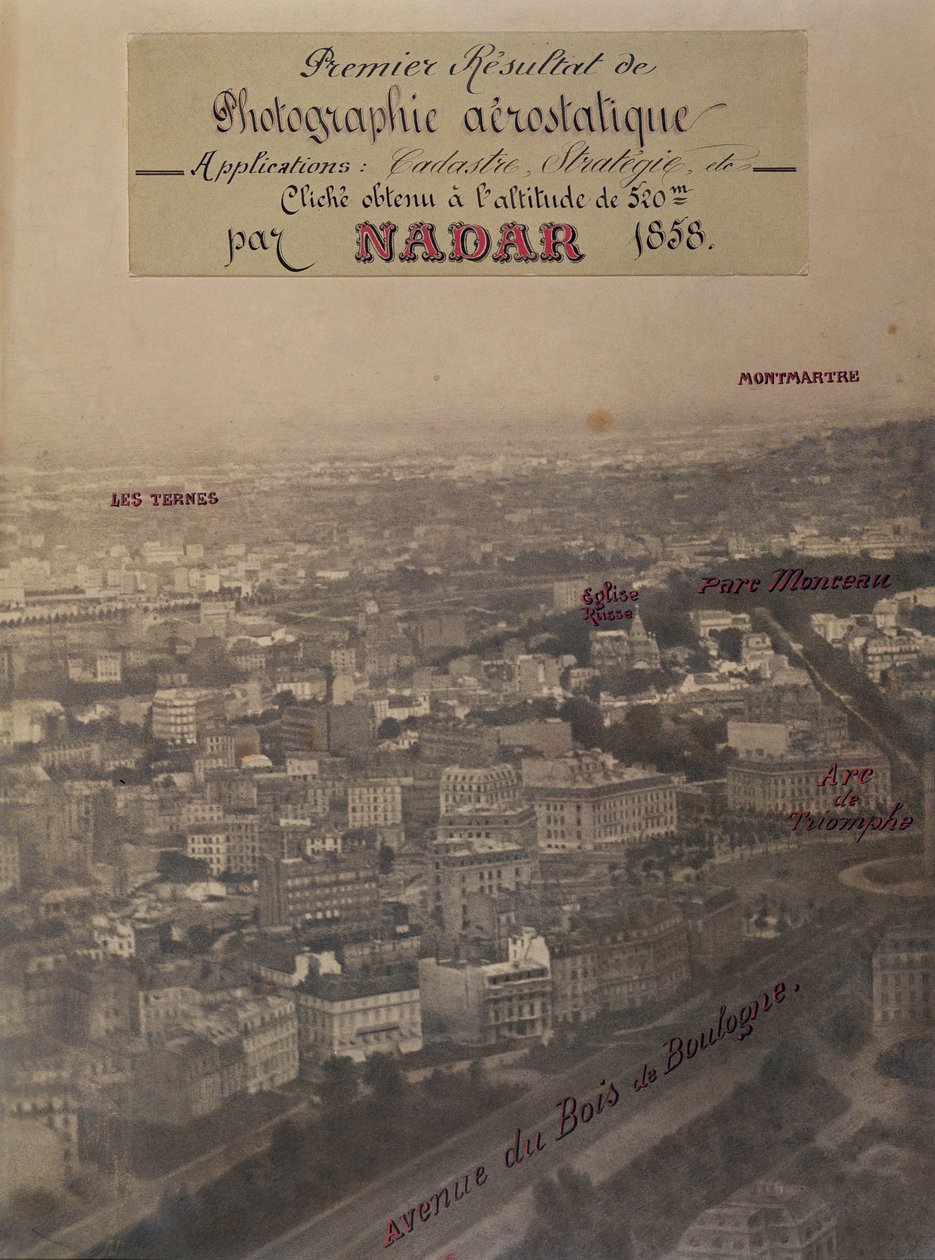
The Ideology of the Screw
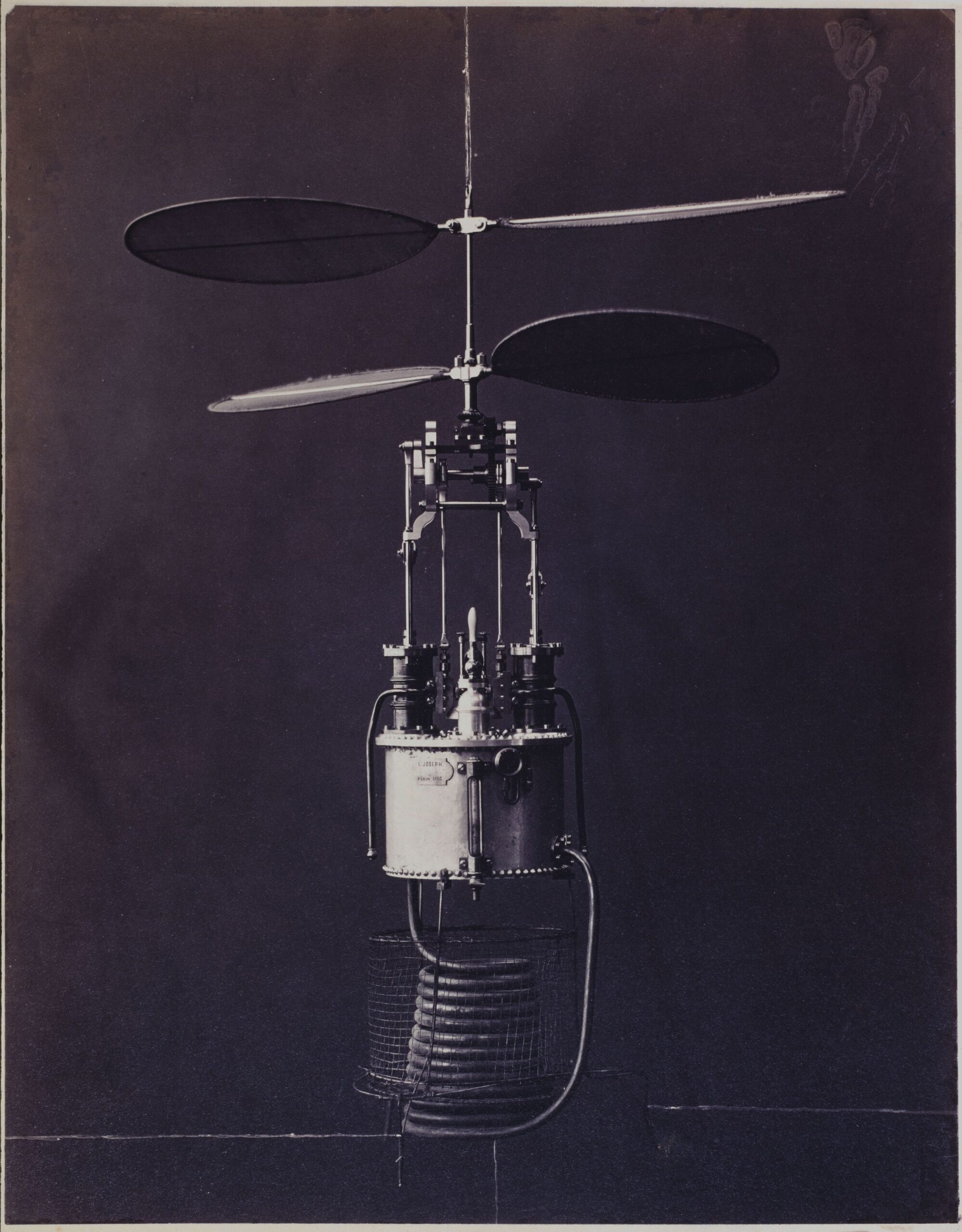
While many of his contemporaries remained captivated by the romance of balloon ascents, Nadar became an outspoken advocate of heavier‑than‑air flight. In 1863, he co‑founded the Société d’encouragement pour la locomotion aérienne au moyen d’appareils plus lourds que l’air, an organization dedicated to promoting powered, propeller‑driven machines. Among its supporters was the novelist Jules Verne, who later modeled the exuberant Michel Ardan in From the Earth to the Moon on Nadar himself; the name “Ardan” is an anagram of “Nadar.”
For Nadar, the camera was not separate from this campaign. By bringing the darkroom into the clouds, he was demonstrating that the sky was a working environment. Aerial space demanded instruments, measurements, and repeatable procedures. The balloon might drift, but the future, he believed, belonged to the screw and the engine.
Aerial Photography, Mapping, and Military Thought
What began as personal experimentation soon intersected with a broader European interest in the military potential of ballooning. Observation balloons had appeared intermittently during the French Revolutionary and Napoleonic wars, but without photography their usefulness depended on what an observer could see and describe in the moment.
A fixed photographic image changed that logic, at least in theory. An aerial photograph could be revisited, compared, and interpreted over time. Yet early images were often difficult to read, and their practical military value remained limited until technical refinements decades later. Nadar’s 1858 patent anticipated surveying and reconnaissance as possibilities, but the transformation of aerial photography into a systematic instrument of war would belong to a later generation.
His early struggle with coal gas also underscored the technical realities of aerial work. Later military balloons increasingly relied on hydrogen, which did not interfere with photographic emulsions in the same way. What had once been a vexing personal obstacle became part of the evolving knowledge base of aerial reconnaissance—knowledge that would eventually be folded into state power in ways far beyond Nadar’s original experiment.
Aerial Photography and the Modern Imagination
Nadar’s experiments altered thinking far beyond scientific and military circles. Artists and writers struggled to reconcile this new perspective with centuries of ground‑based experience. To see the world from above was to alter long‑standing assumptions about space and scale.
Nadar sensed this shift intuitively. Just as his portraits stripped away studio artifice, aerial photography seemed to promise a stripping away of street‑level illusion. From above, boundaries softened, hierarchies diminished, and patterns appeared that had gone unnoticed. Yet early aerial images were not immediately transparent or easily read. Perspective distorted scale, altitude flattened depth, and interpretation required training and imagination. The aerial view suggested mastery long before it reliably delivered it.
For Nadar, the image was never enough on its own. The photograph from the balloon was a step toward something larger, beyond balloons: a future in which powered craft would traverse mapped airways with intention rather than drift with the wind.
Legacy of a Man Above His Time
Nadar lived long enough to witness profound changes in photography and aviation, from lighter cameras to the first sustained experiments in powered flight. By the time of his death in 1910, aircraft were beginning to demonstrate that controlled flight was possible. Aerial views were on the verge of transforming warfare, mapping, and transportation.
The central idea, however, remained his. Whether or not a legible plate from 1858 ever circulated beyond his own account, the conceptual leap was unmistakable: the world could be studied from above. From that claim flowed later experiments in aerial surveying, reconnaissance, and eventually satellite imaging. The lineage is not a straight line from a single fragile plate, but from the conviction that the sky could become a site of systematic observation.
That conviction would later underwrite not only cartography and aviation, but also surveillance, warfare, colonial administration, and resource extraction. The aerial view proved capable of expanding knowledge—and of concentrating power. Nadar could not have foreseen the full consequences, yet his experiment helped inaugurate a mode of seeing that would shape both scientific inquiry and modern violence.