
Drive-in movie theaters, an iconic part of American culture, hold a unique place in the history of entertainment. These outdoor theaters were a direct reflection of the nation’s growing car culture. Many of them disappeared and now only exist in memories and photos. Others can still be seen along rural roads, usually identified by the decaying, oversized structures built to hold the movie screens. But they can also be found in the detailed imagery available at HistoricAerials.com.
The story of drive-in theaters begins in the early 1930s. Richard Hollingshead, a sales manager from Camden, New Jersey, is credited with creating the first drive-in theater. In 1933, Hollingshead patented the concept, opening the first location, known as Park-In Theaters, Inc., on June 6, 1933. His idea was simple yet revolutionary: combine the growing popularity of automobiles with the communal experience of watching a movie.
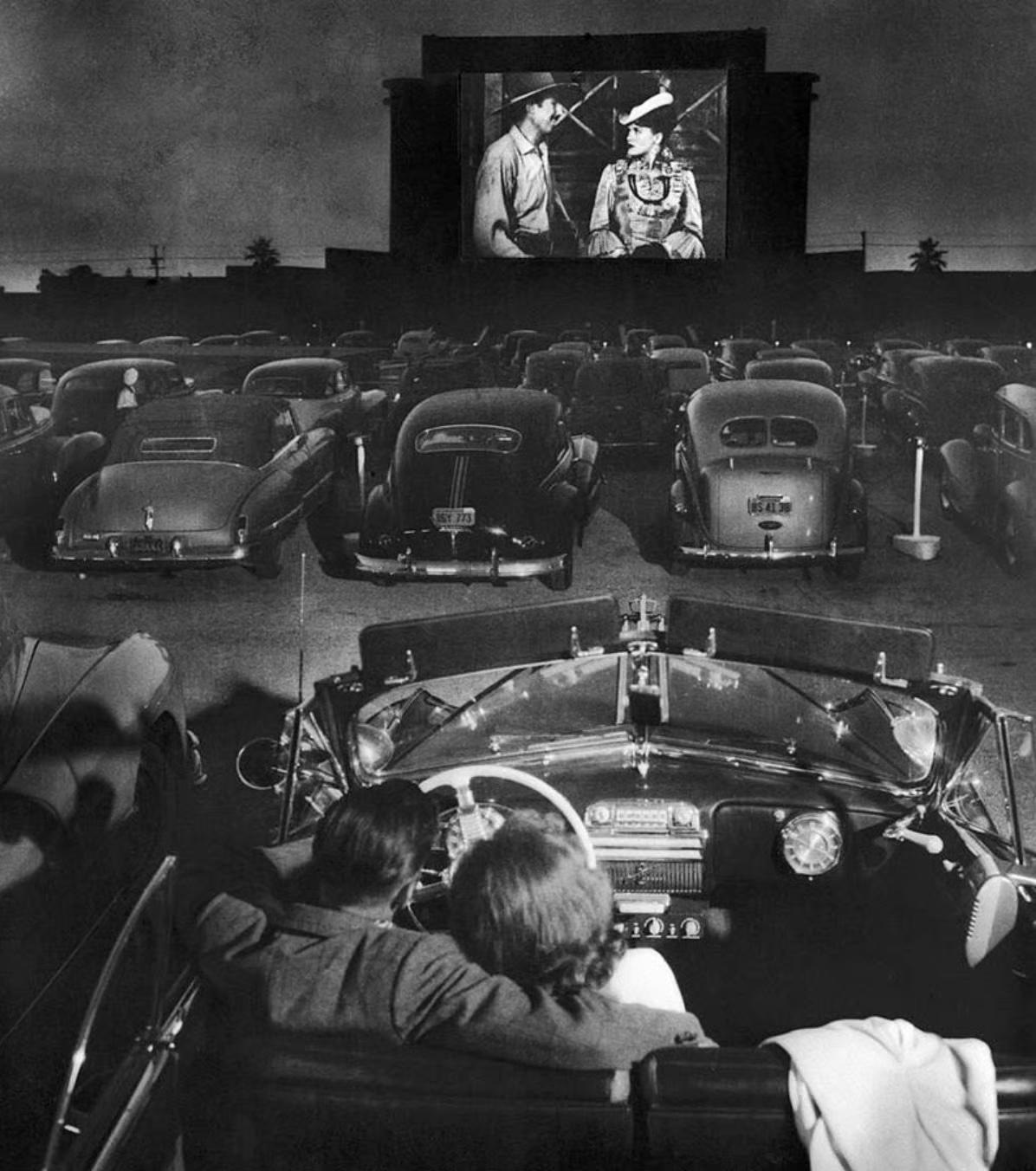
Initially, drive-ins were slow to catch on. However, the post-World War II economic boom saw a dramatic increase in car ownership, which in turn fueled the growth of drive-ins. By the late 1940s and early 1950s, drive-in theaters had become a staple of American life. At their peak in the late 1950s and early 1960s, there were over 4,000 drive-ins across the United States.
Drive-ins offered a unique and affordable form of entertainment. They were especially popular among families, as parents could bring their children without worrying about disrupting other patrons. Additionally, drive-ins catered to America’s burgeoning youth culture, providing a popular venue for teenagers to socialize.
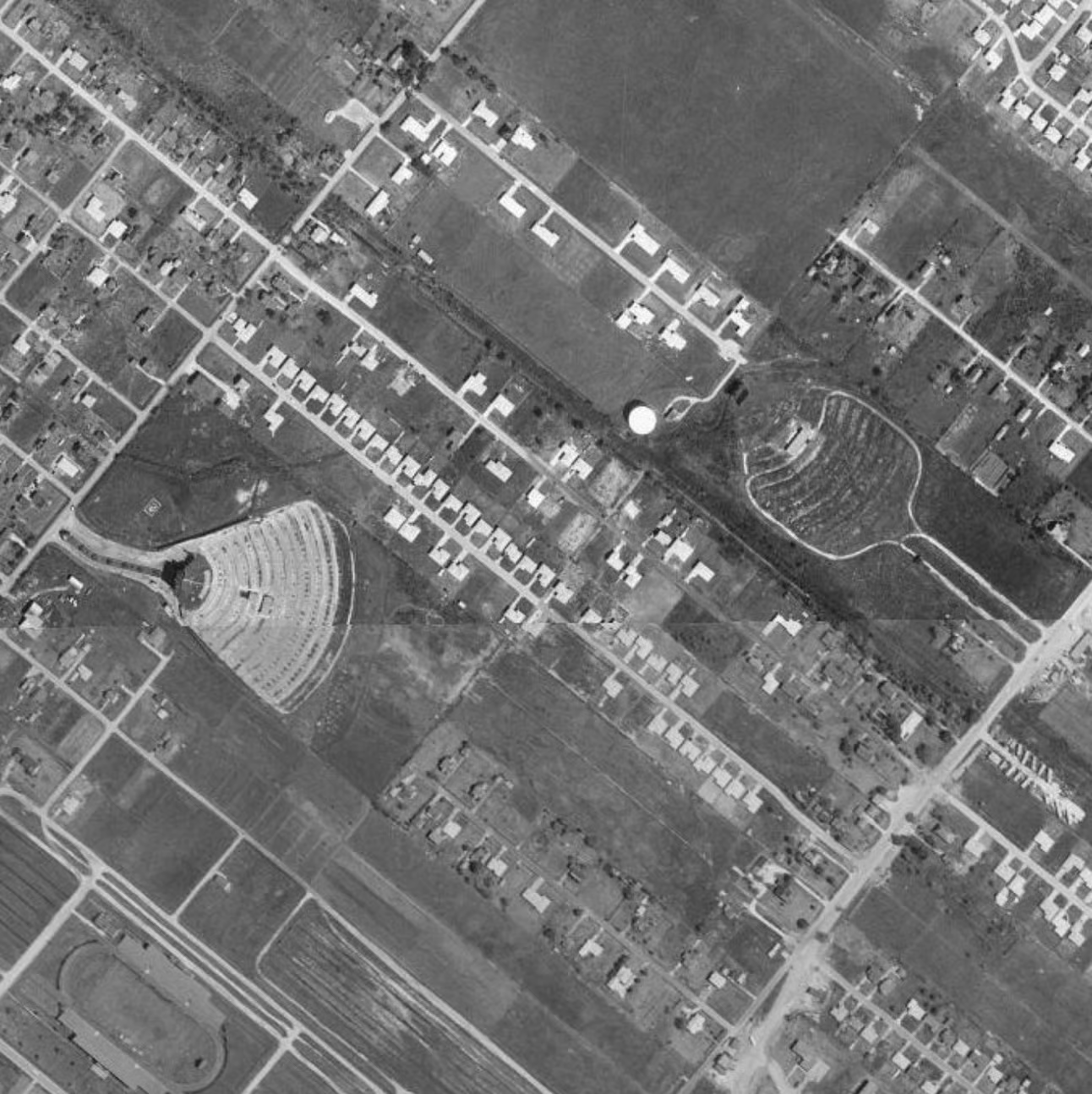
The economic impact of drive-ins was significant. These theaters often occupied large plots of land on the outskirts of towns and cities, influencing suburban expansion. They also stimulated local economies by creating jobs and driving traffic to nearby businesses such as diners and gas stations.
Despite their popularity, drive-in theaters began to decline in the 1970s. Several factors contributed to this downturn. The rise of home entertainment systems, including VCRs and cable television, offered convenient alternatives to going out. Additionally, the oil crisis of the 1970s made it more expensive to drive, reducing the appeal of car-centric entertainment.
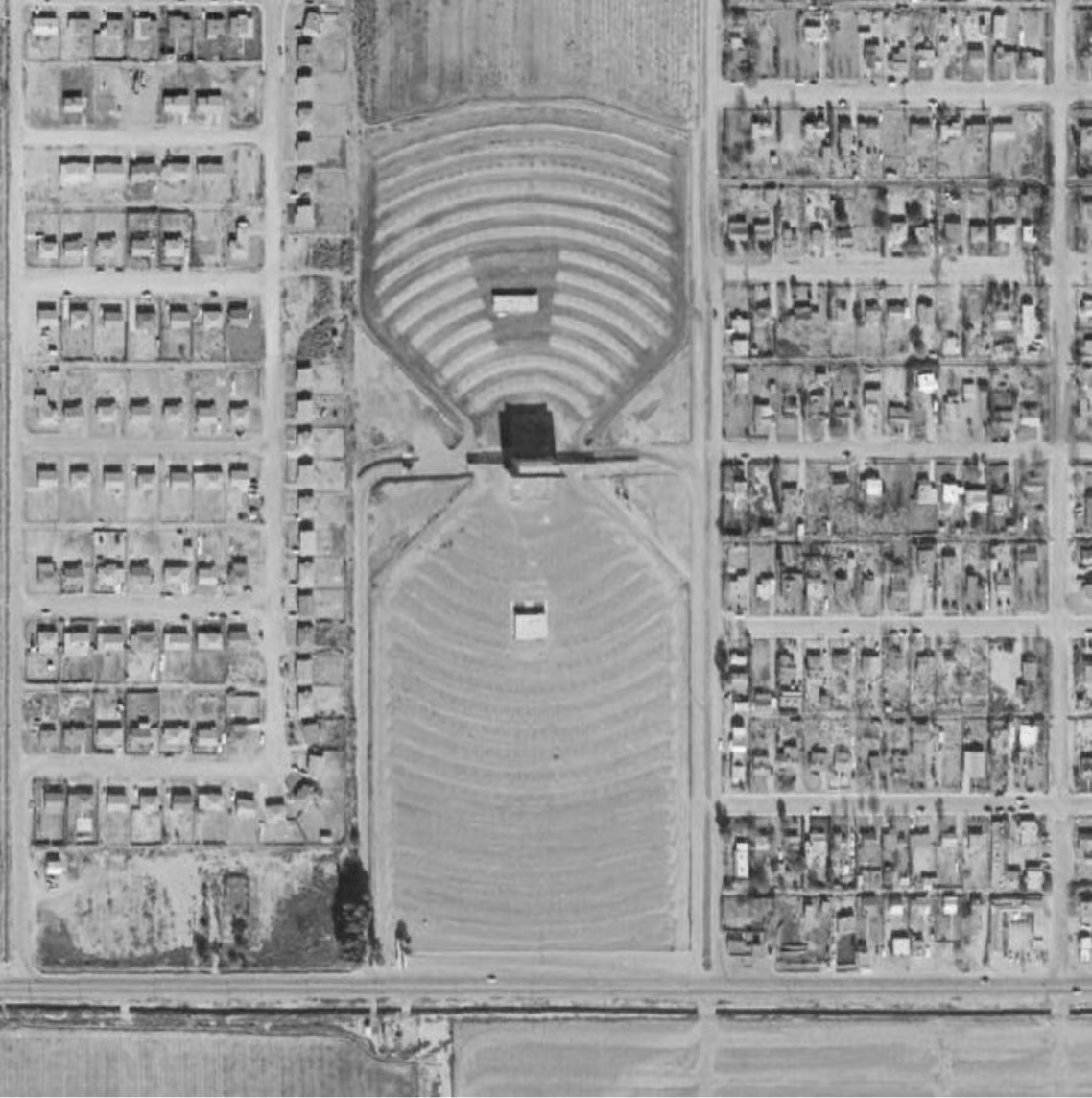
Moreover, the value of the land occupied by drive-ins increased significantly. Many theater owners found it more profitable to sell their property to developers for residential or commercial use. The expansion of multiplex indoor theaters, which could show multiple films simultaneously and offered more sophisticated amenities, further hastened the demise of drive-ins.
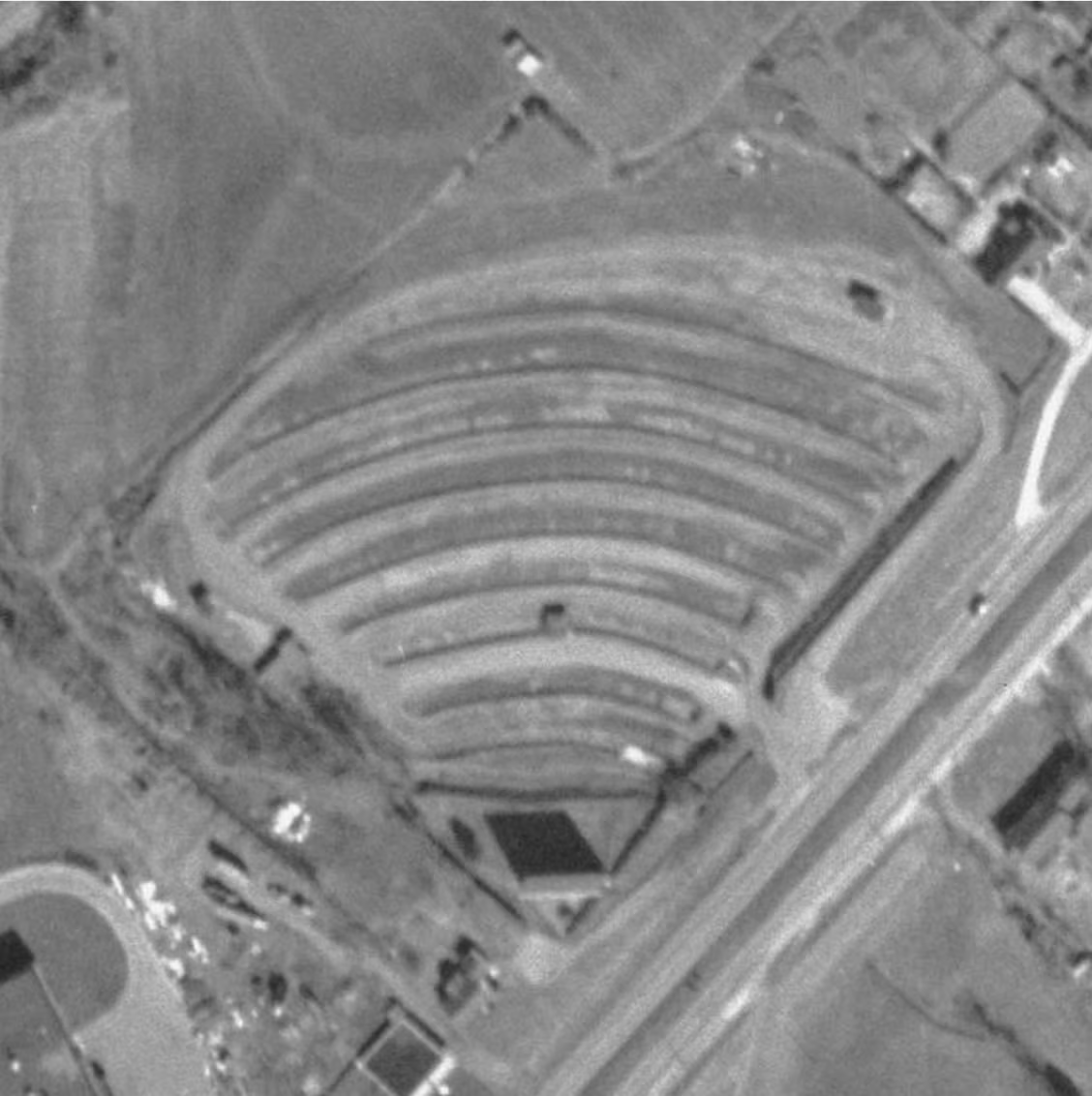
Today, only a fraction of the original drive-ins remain operational. However, the nostalgic allure of these theaters has not faded. In recent years, there has been a resurgence of interest, partly driven by the COVID-19 pandemic, which highlighted the benefits of outdoor and socially distanced entertainment.